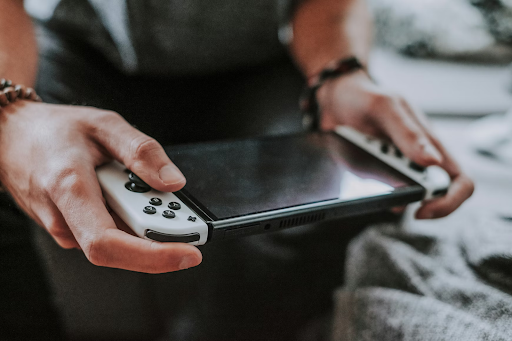
For a long time, betting was something people did in specific places and at very specific times. You went to a shop, stood in line, filled out a slip, maybe fought traffic on the way back. Now the shop lives in your pocket. A tamasha online bettting app is a good example of that shift: odds, markets, cash-out, history, all sitting behind one icon on the home screen.
That change isn’t just about convenience. Mobile betting apps have quietly made sports betting more accessible to more types of people, in more situations, than the industry ever managed with desktop sites or physical outlets alone.
From “Special Trip” To “One-Tap”
The big difference is simple: betting is no longer an event, it’s an option.
Instead of planning a visit to a shop or even a sit-down session at a laptop, users can:
- Check odds while watching TV on the sofa
- Place a live bet during a drinks break
- Cash out on the way home in a cab
- Settle a pre-match ticket without going near a desktop
That doesn’t sound dramatic, but it changes who participates. People who don’t have spare hours, or who don’t want to be seen walking into a physical bookmaker, suddenly have a low-friction way to engage.
Accessibility For People, Not Just For Devices
“Accessible” is often used in a techy way, but here it’s about how real lives work.
Mobile betting apps improve access for:
- People with irregular schedules
Shifts, night work, odd hours. They can bet when it suits them, not when a shop is open. - People outside major cities
No need to live near a betting outlet. A half-decent mobile connection is enough. - People who prefer privacy
No public counters, no paper tickets, no awkward stares. Just a phone screen.
The barrier to entry drops from “reorganise part of the day” to “spare 30 seconds.” That’s powerful, for better and worse.
Interfaces Built For Thumbs, Not Mice
Desktop sites were always a bit clumsy for casual users. Tiny links, multiple tabs, cluttered layouts. Apps, when done properly, strip that away.
A good mobile betting interface usually offers:
- Big, tap-friendly odds buttons
- Simple navigation: Sports → League → Match → Market
- A compact betslip you can open, edit, and close in one thumb movement
- Fast toggles for stake presets (so users don’t retype the same amount repeatedly)
That design work matters especially for:
- Older users who aren’t comfortable with complex interfaces
- People using smaller or cheaper phones
- Anyone with limited dexterity or vision
Accessibility isn’t only about features. It’s about not making people fight the app to do simple things.
Faster Live Betting Without A Desk Setup
Live betting is where apps really change the game. Watching a match on TV or streaming on a phone and reacting in real time no longer demands a laptop on the coffee table.
With a decent mobile app, users can:
- Track changing odds while still watching the live action
- Place a bet in a handful of taps, not through a maze of pages
- Use push notifications to catch key moments or offers mid-match
This opens live betting to people who’d never sit at a PC specifically for that purpose. The experience becomes more integrated with watching the sport, not separated from it.
Local Payments, Local Comfort
For many regions, especially in markets like India, mobile betting apps become truly accessible when they speak the local banking language.
That means:
- Support for locally popular payment methods (UPI-style channels, wallets, local cards, etc.)
- Simple, guided deposit flows inside the app
- Clear messaging on limits, processing times, and any fees
When users can top up and withdraw from the same device they use to pay bills, shop, or send money to friends, the psychological gap shrinks. It stops feeling like “a special financial task” and starts feeling like any other familiar app interaction.
Accessibility For New Users: Learning Curve Flattened
For someone brand new to betting, a decent app can be much less intimidating than a traditional site.
Mobile layouts are forced to be:
- Cleaner (because screen space is limited)
- More guided (step-by-step flows rather than huge grids)
- Less text-heavy and more icon-based
Tooltips, example tickets, simple bet builders—these things help beginners understand what they’re doing without digging through long help pages. An app that explains a market in a single, clear line next to it is far more welcoming than a dense FAQ hidden five clicks away.
Consistency Across Situations
Accessibility is also about continuity. With a mobile betting app, users don’t lose the thread of what they’re doing every time life interrupts.
They can:
- Start building a betslip at home, place it later on the move
- Track open bets during a commute
- Check settlement history between tasks at work (if they choose to)
The experience becomes a background layer rather than a separate activity that needs dedicated time. That smooth integration keeps more casual users involved who would otherwise drop off.
Push Notifications: When Used Right
Notifications can be annoying, but they can also be genuinely useful for accessibility when handled with some restraint.
Examples that help rather than spam:
- Alerts when a withdrawal is processed
- Reminders when a favourite team’s match is starting
- Responsible gambling nudges after long sessions
For users who don’t sit at a desk refreshing pages, these small pushes keep them in the loop without demanding constant checking.
Responsible Gambling Tools On Hand, Not Hidden
Mobile betting apps can actually make safer gambling tools more accessible too—if the operator chooses to design it that way.
That means:
- Deposit limits set in a couple of taps, not a buried form
- Time-out and self-exclusion options placed somewhere obvious in the profile
- Reality checks that appear in-app instead of as obscure emails
When those controls are on the same device that runs the bets, they’re harder to ignore. A user who realises a session is getting out of hand doesn’t need to open a laptop or write an email—they can hit pause right there.
Better Accessibility For People With Disabilities
It’s still far from perfect across the industry, but mobile OS features give betting apps a head start:
- System-level font size increases help visually impaired users read odds and text
- Screen readers can navigate cleanly built interfaces
- Haptic feedback on taps can give extra confirmation when placing bets
Apps that follow basic accessibility guidelines—contrast, size, clear labels—automatically serve a wider audience than cluttered web pages ever did.
Low-Capability Devices, High Reach
Not everyone is using a top-tier smartphone on fibre internet. A lot of bettors are on mid-range or budget phones over congested networks.
Well-optimised apps:
- Load assets efficiently
- Cache data smartly to cut repeat load times
- Reduce heavy graphics in the actual betting flow
That performance work turns betting into something that runs smoothly for more people, not just those with the latest hardware.
The Trade-Off: Easier Access, Bigger Responsibility
Improved accessibility isn’t automatically positive. Making betting easier to access—anytime, anywhere—also increases the risk of overuse. That’s the uncomfortable flip side.
The responsible way to look at it is simple:
- Apps make it easier to bet
- So they also need to make it easier to stop, limit, and control betting
When a mobile app combines smooth markets, payments, and live features with strong, visible controls and honest communication, accessibility becomes a net gain rather than a quiet hazard.
Conclusion
Mobile betting apps have taken sports wagering out of specialist corners and into everyday life. A tamasha online bettting app or any other serious product in this space is no longer just a “mini website.” It’s the main gateway for most users—one that should be judged not only by how fast it lets people place bets, but also by how well it supports them, whatever their schedule, device, or level of experience.